Advocacy & Awareness
Actively supporting and representing people with disabilities to ensure they have equal opportunities, rights, and access to services.
This might involve;
- Campaigning for changes in laws and policies that disadvantage people with disabilities.
- Representing or accompanying individuals with disabilities in legal matters or when accessing services.
- Working with governments, institutions, and other stakeholders to improve the integration and treatment of people with disabilities in all aspects of society.
Disability Inclusion Training
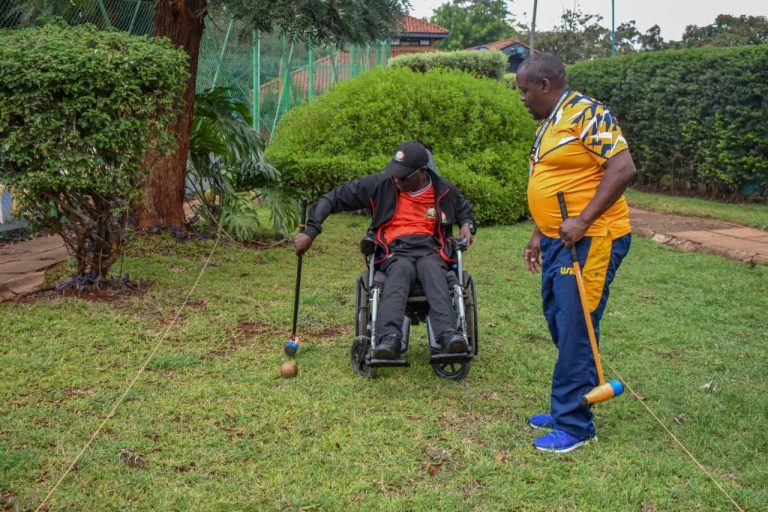
We provide practical disability inclusion training to communities, institutions, organizations, and service providers. Our training promotes understanding, respectful communication, accessibility, reasonable accommodation, and meaningful participation of persons with disabilities. This includes;
- Disability inclusion and awareness training
- Accessibility and reasonable accommodation
- Inclusive communication practices
- Disability-sensitive service delivery
- Inclusive workplace practices
- Community and institutional sensitization
Lobbying for Opportunity for Persons with Disability / Employability
We champion equal access to education, employment, entrepreneurship, skills development, and economic opportunities for persons with disabilities. This includes;
- Inclusive employment advocacy
- Skills development and capacity building
- Entrepreneurship and livelihood opportunities
- Accessible recruitment and workplaces
- Employer sensitization and engagement
- Linking persons with disabilities to opportunities
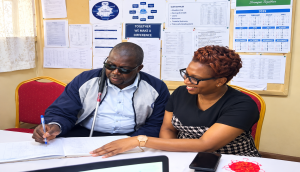
Legal Pro-Bono Services
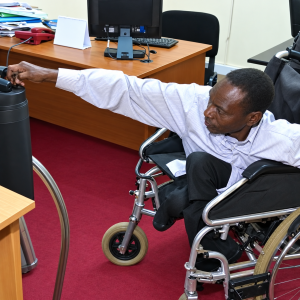
We support persons with disabilities who face discrimination, exclusion, abuse, or violations of their rights by connecting them with appropriate legal assistance. This includes;
- Campaigning for changes in laws and policies that disadvantage people with disabilities
- Representing or accompanying individuals with disabilities in legal matters or when accessing services.
- Working with governments, institutions, and other stakeholders to improve the integration and treatment of people with disabilities in all aspects of society
Assessment of Buildings and Organizations That Are Disability-Friendly for an Award
We assess buildings, institutions, businesses, and organizations based on their commitment to accessibility, inclusion, and disability-friendly practices. This includes;
- Accessibility and infrastructure assessment
- Inclusive facilities and services evaluation
- Disability-friendly workplace assessment
- Accessible communication and information
- Recognition and awards for inclusive practices
- Recommendations for improved accessibility
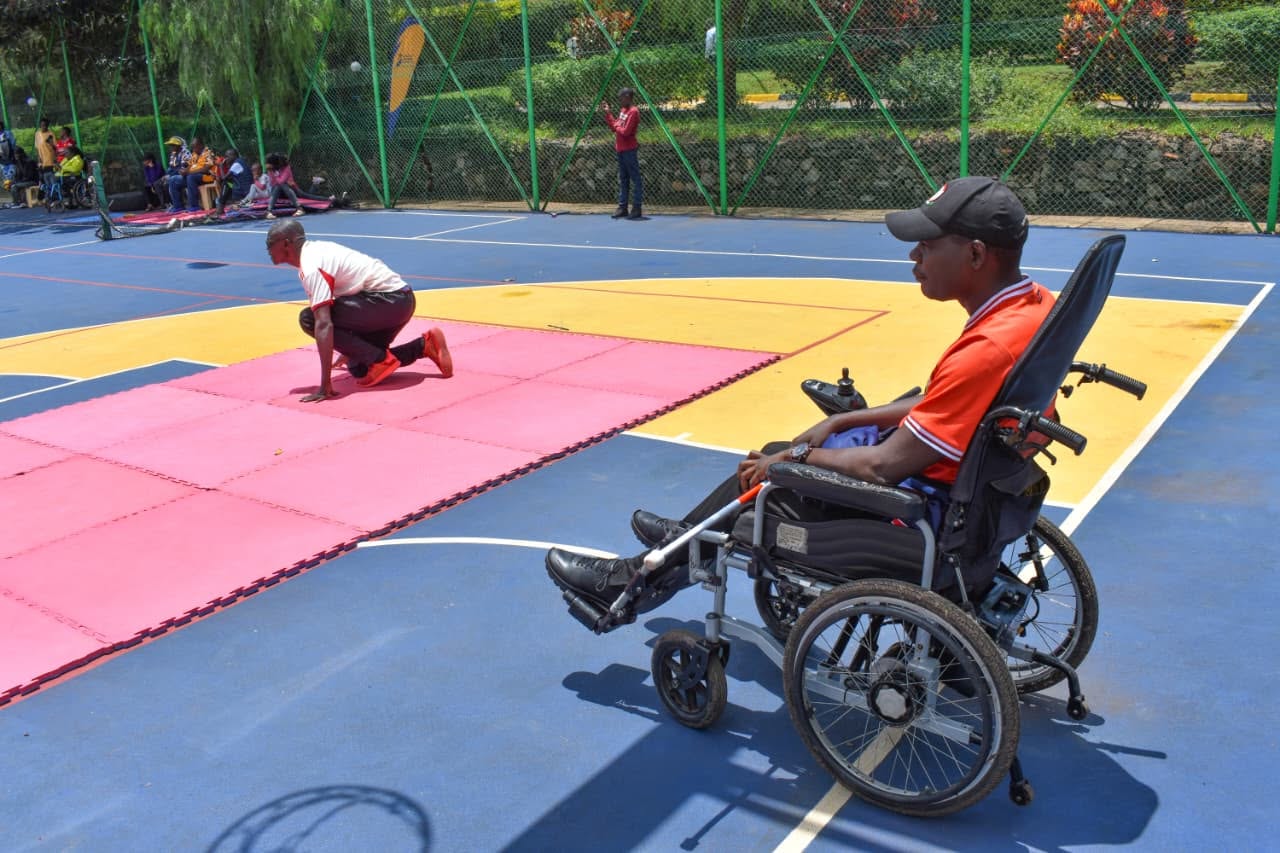
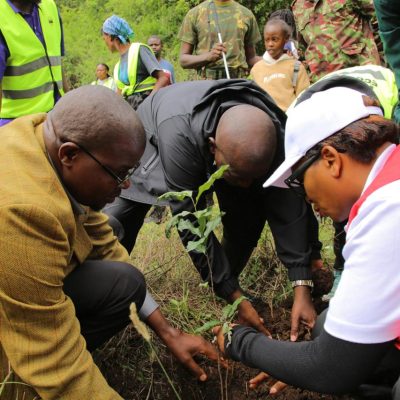
Climate Resilience and Accessible Health
Maendeleo Ya Walemavu Organization promotes disability-inclusive climate action by ensuring persons with disabilities are actively involved in climate adaptation, disaster risk reduction, and environmental conservation initiatives.
We strengthen community resilience through awareness, capacity building, accessible emergency preparedness, and sustainable livelihood programs that reduce vulnerability to climate-related challenges. Our approach ensures that no one is left behind in building safer, greener, and more resilient communities.